Architecture of Emotion|Perspectives of Louisa
17 May 2026
Written by Louisa Chu
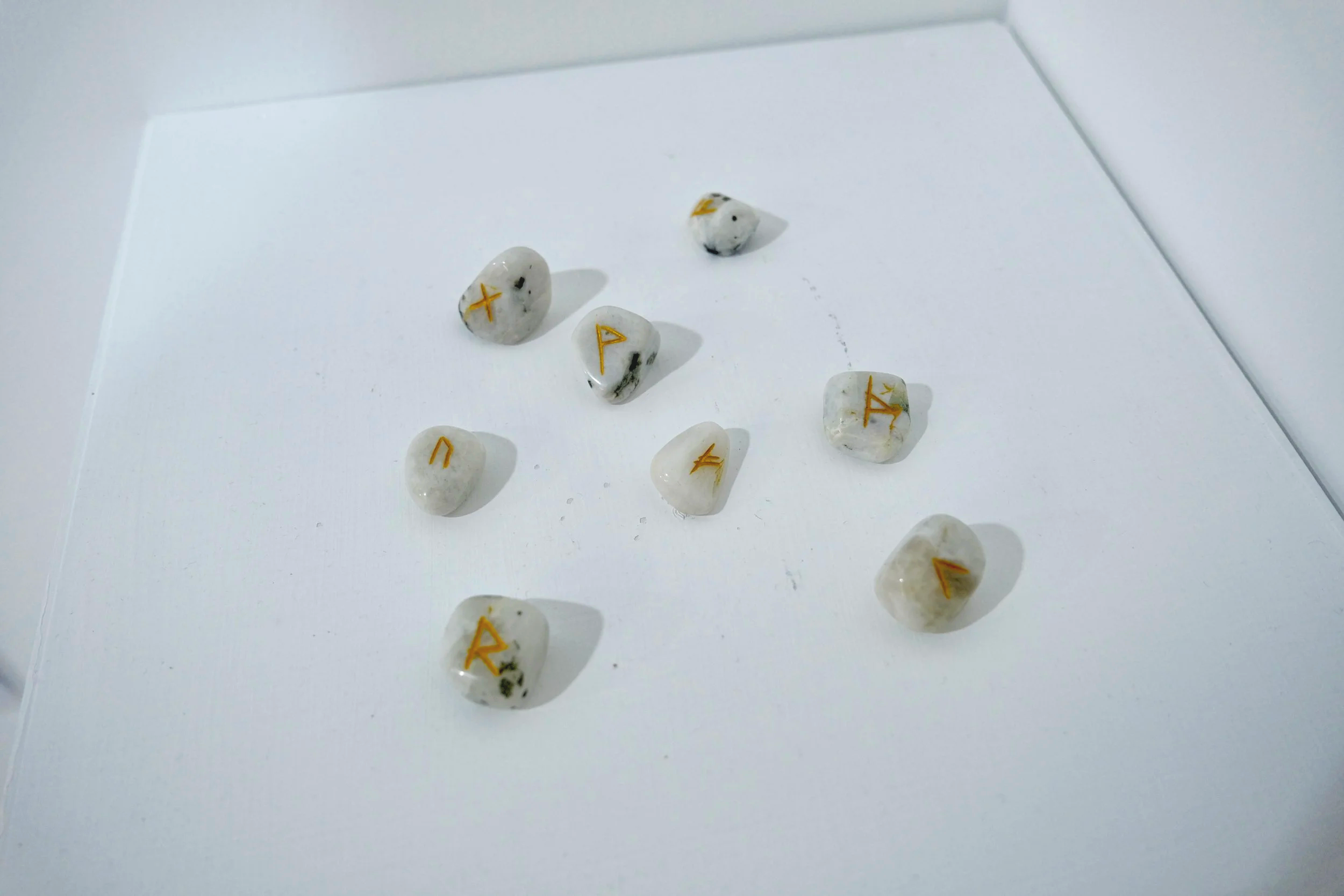
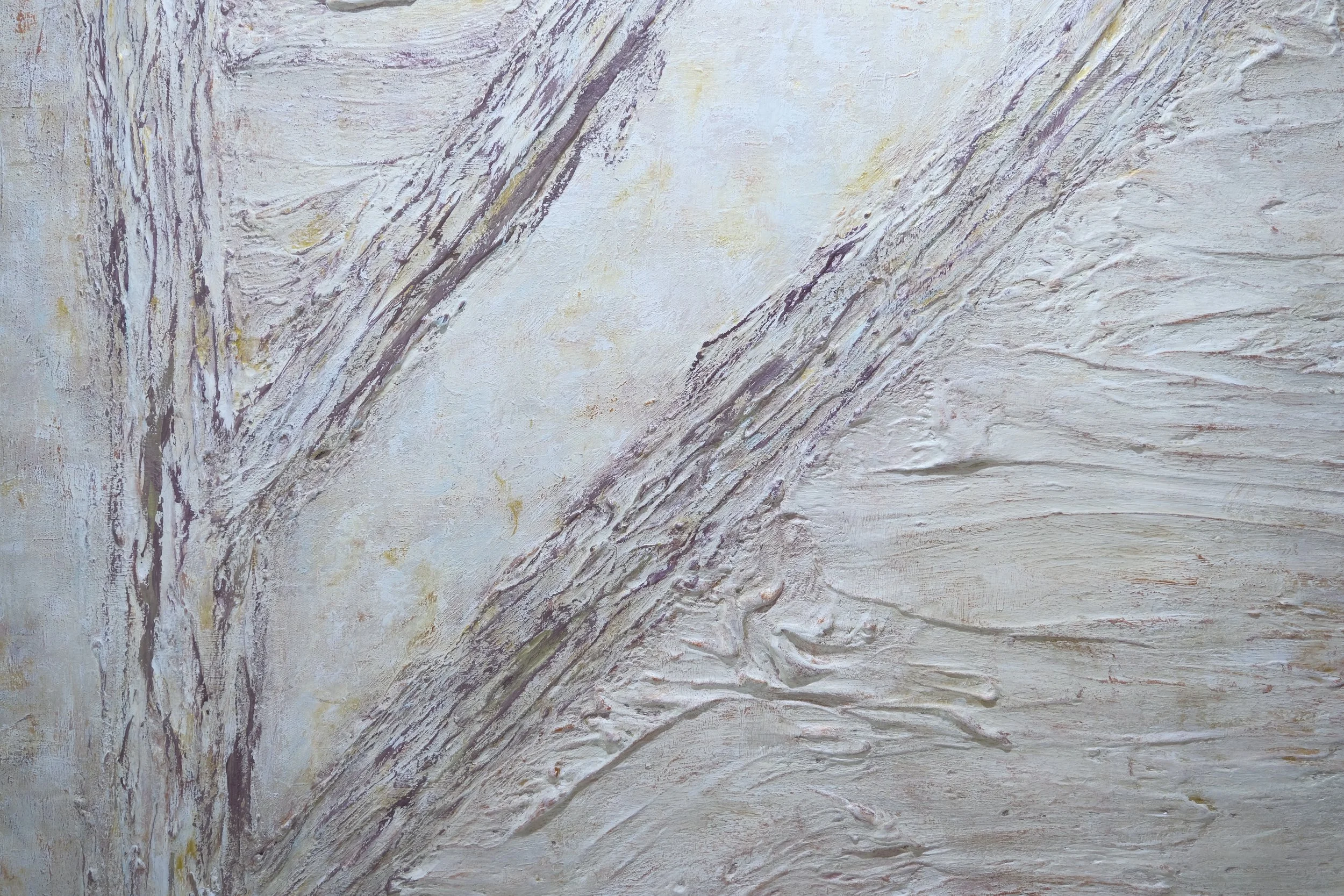
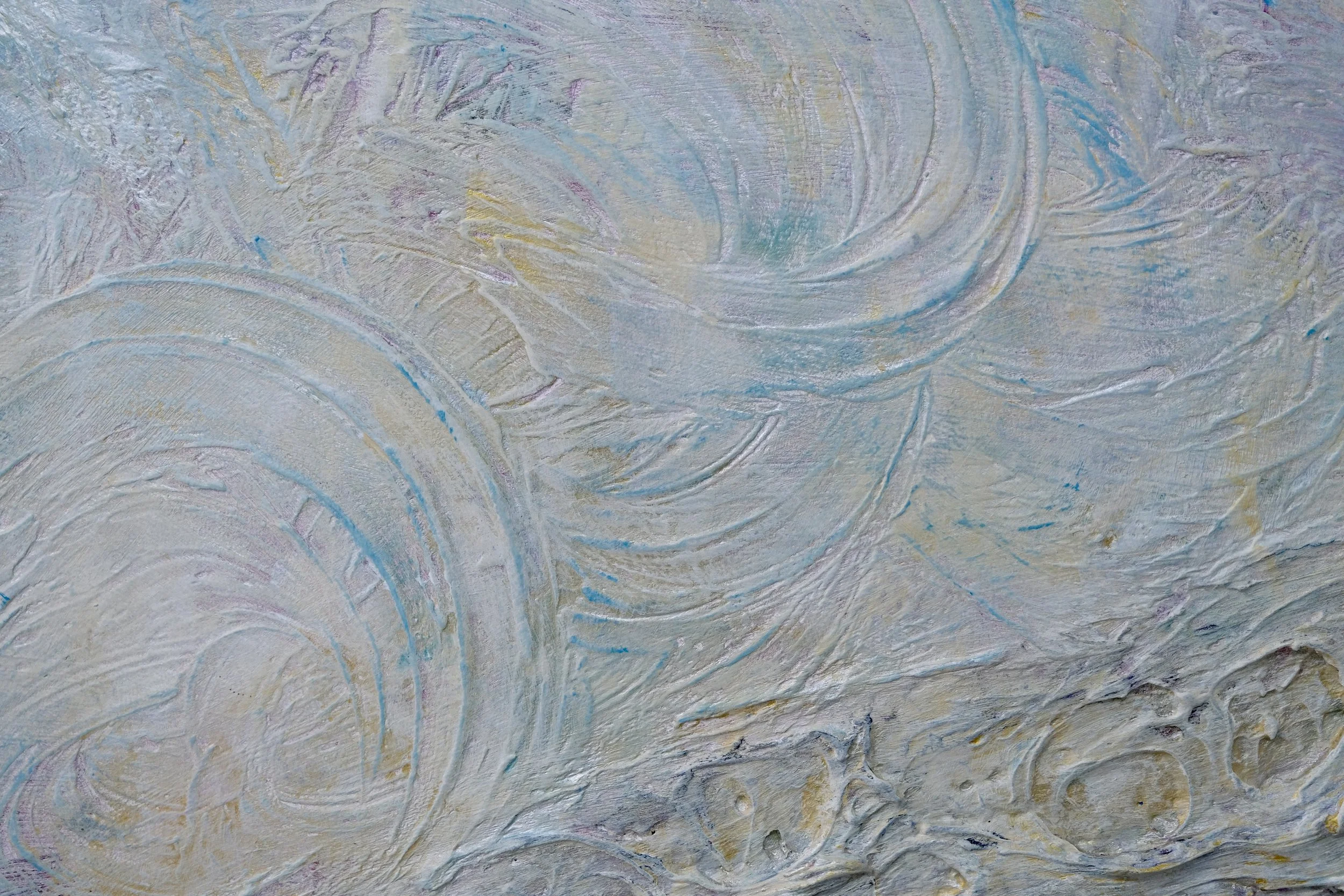
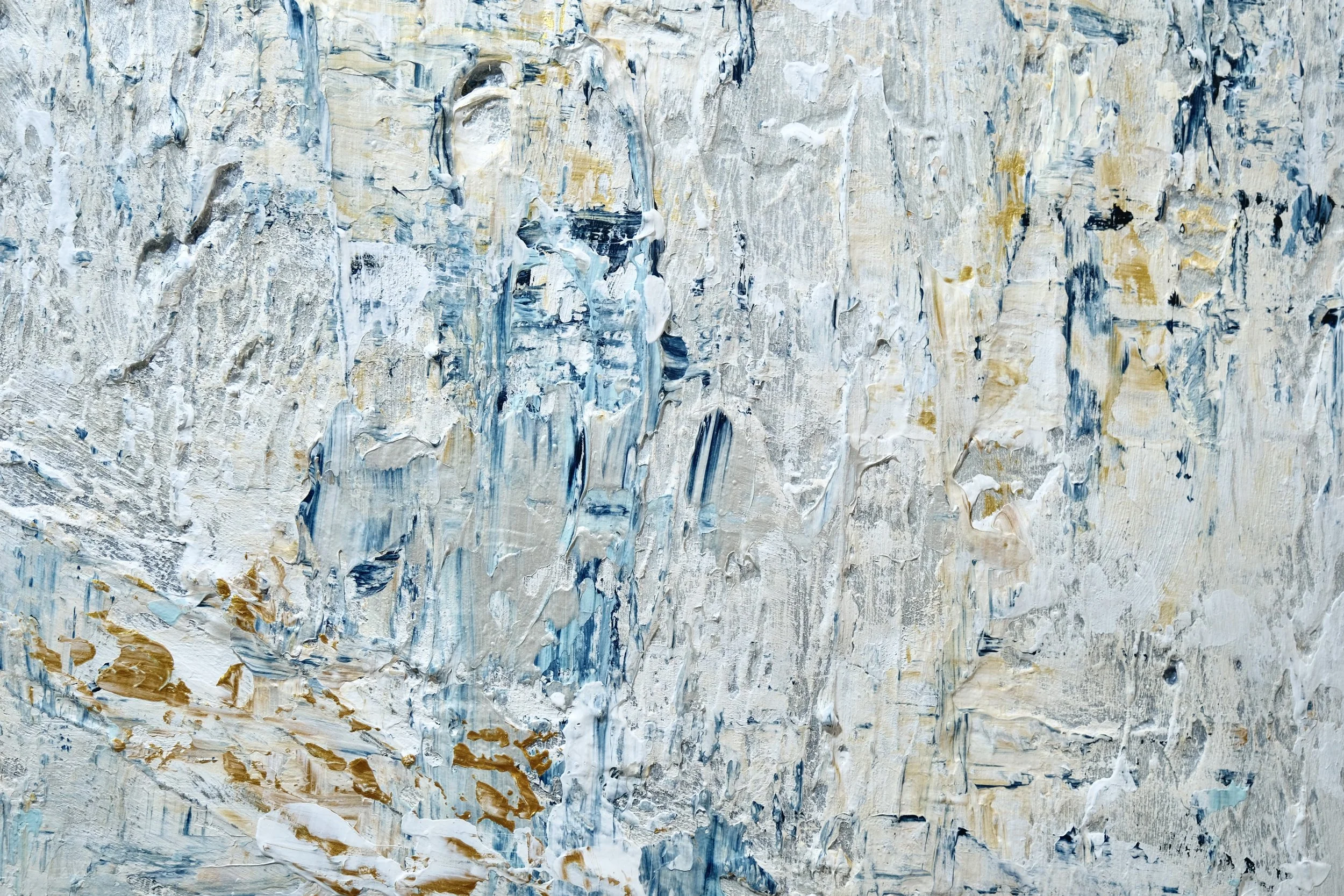
Architecture of Emotion features a painting series by Angelina Mirabito, inspired by The First Aett of the Elder Futhark. The Elder Futhark is the oldest known runic alphabet of Northern Europe. Each rune embodies a different stage and state within an emotional journey, while also revealing the complexity and inexpressibility of emotion itself.
Within the gallery space, we encounter emotions that are bold, intense, and fluid, but also those that are restrained, gentle, and calm. A single canvas may carry multiple emotions: they may contradict one another, or reconcile into a sense of harmony.
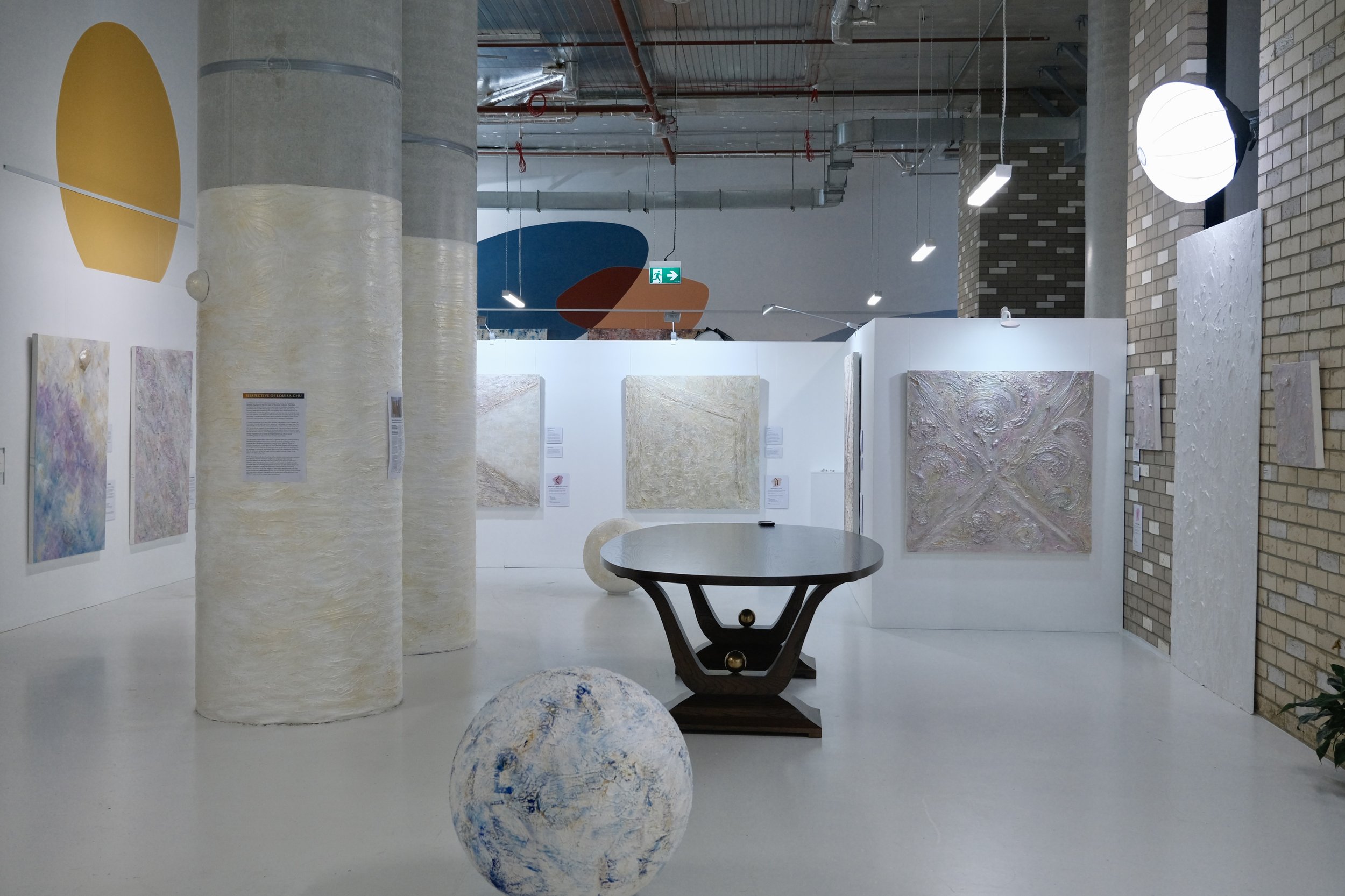
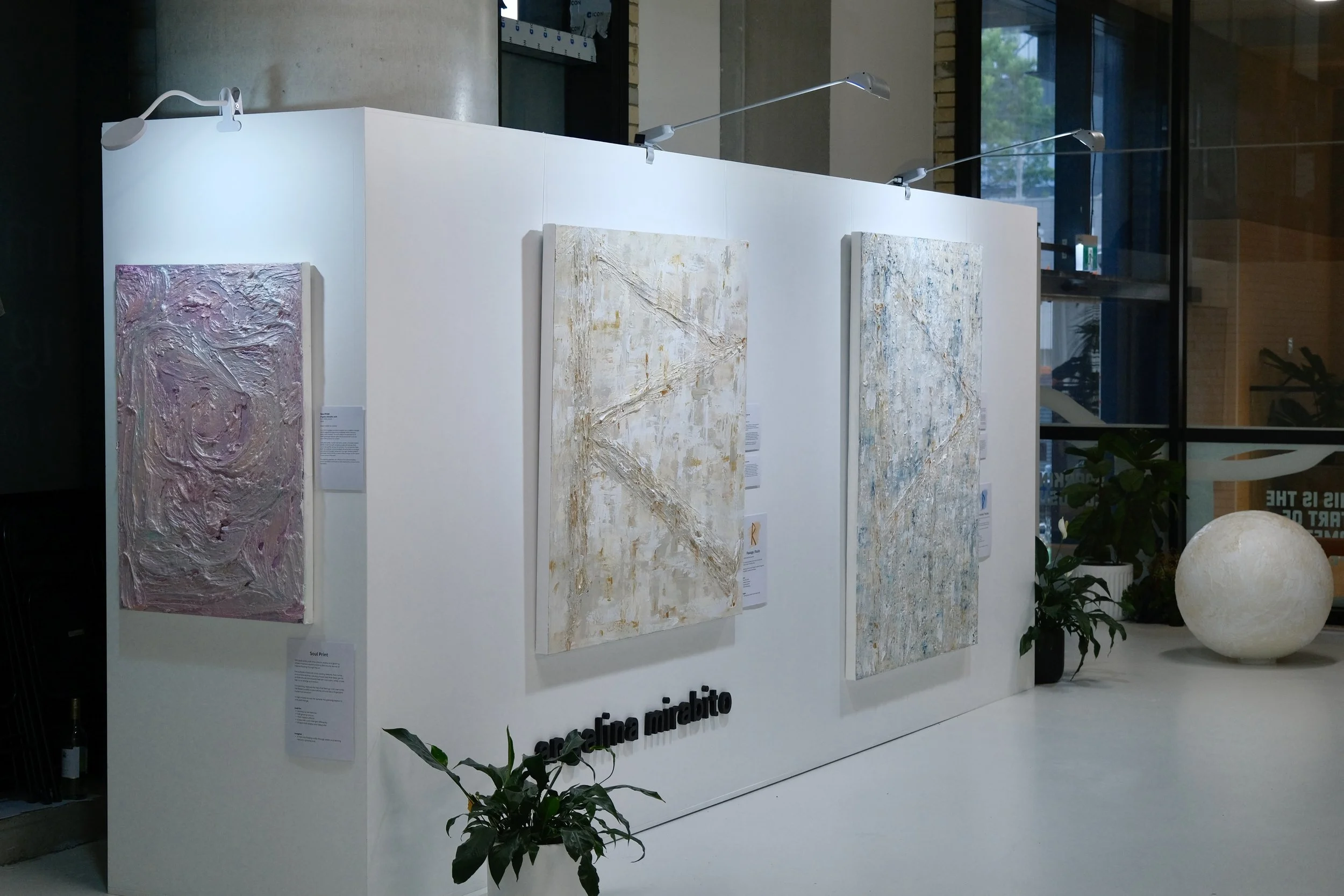
In Norse mythology, the god Odin gained the wisdom and power of the runes through self-sacrifice. However, although he sees fate, he cannot fully escape it; he understands the order of the universe but still has to move toward its inevitable end. The myth offers another perspective of understanding the artworks within the exhibition. Just like the strokes, colours, and changing structures on the canvas, life is always happening in a state of impermanence. Life is never something that can be predicted or fully controlled.
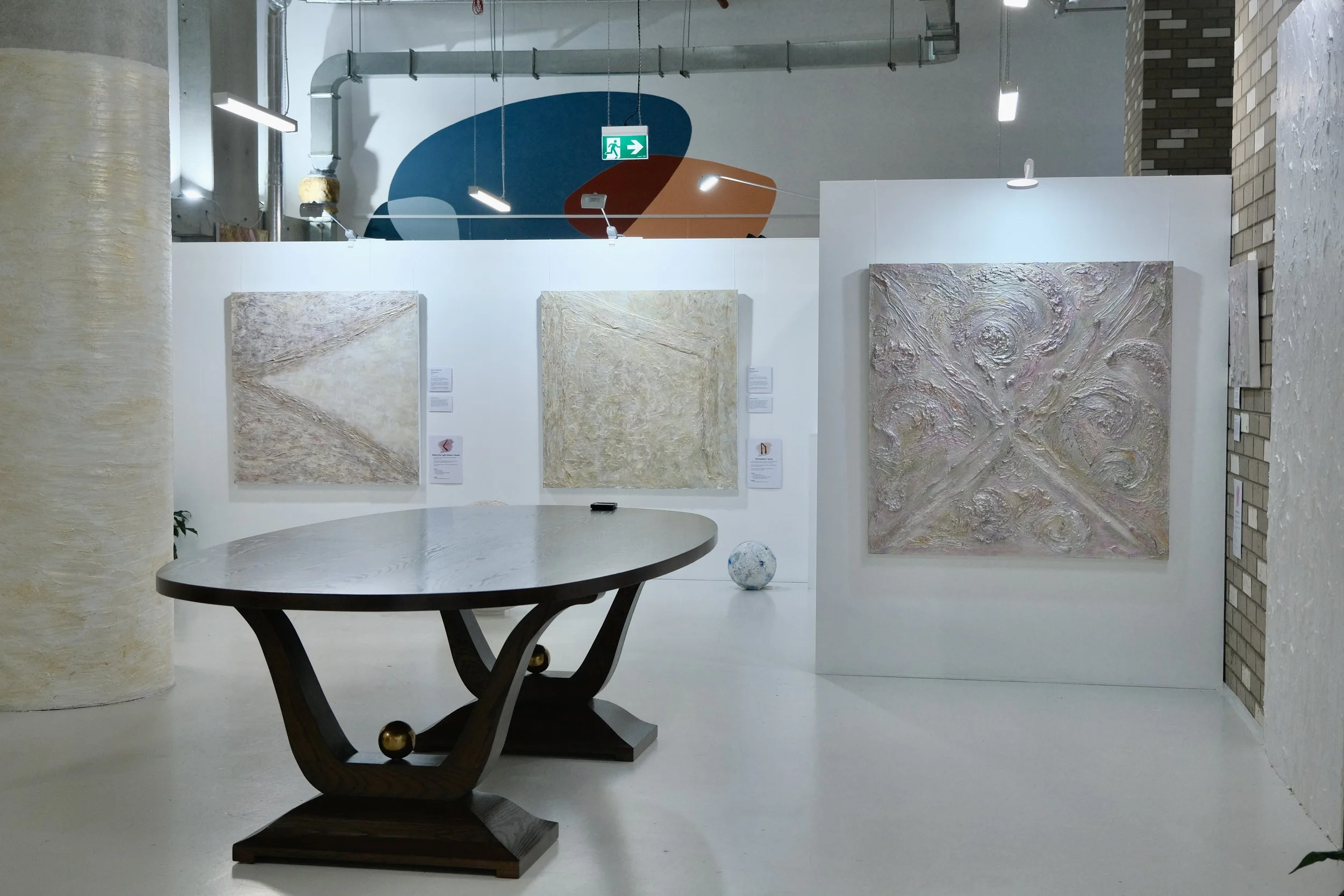
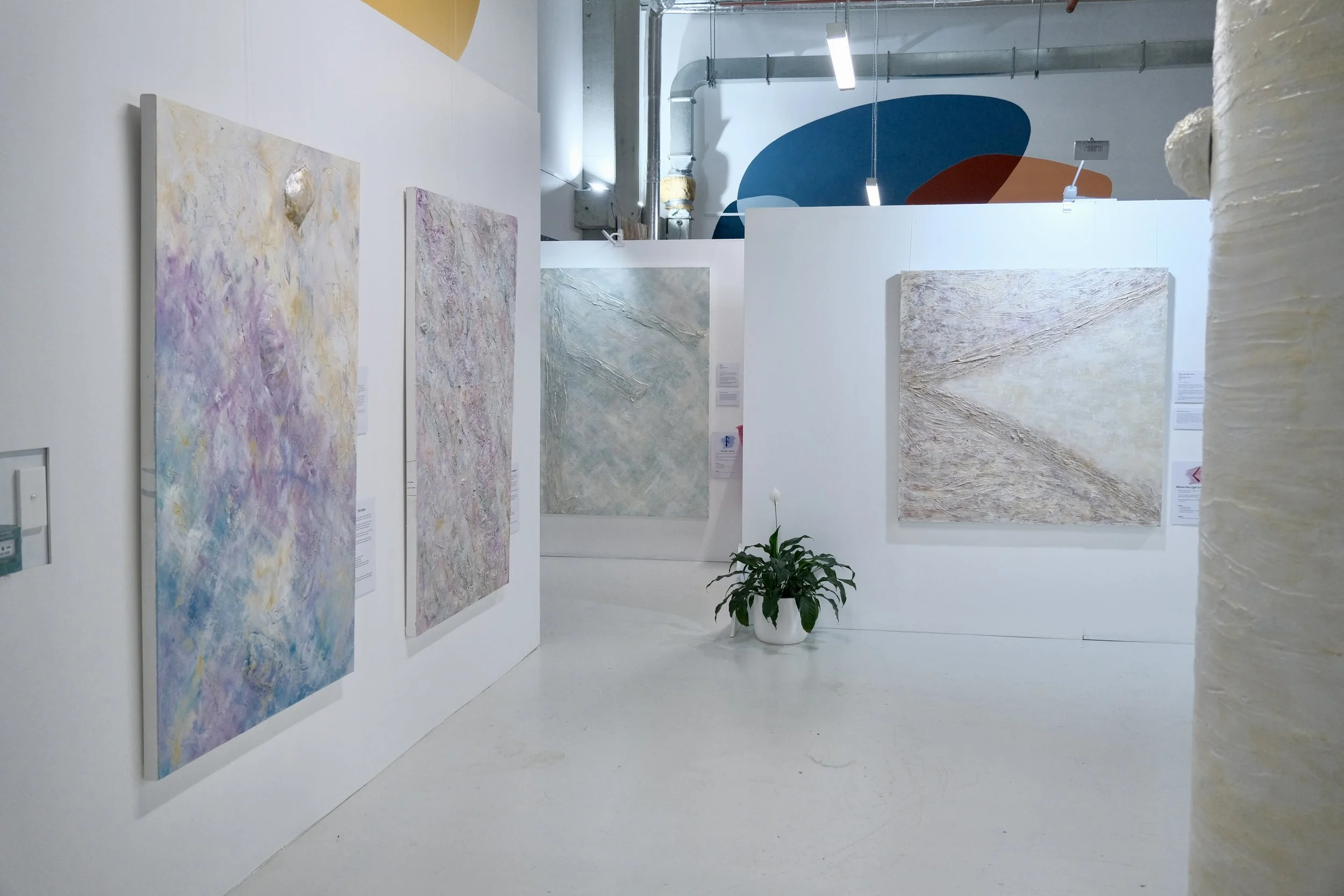
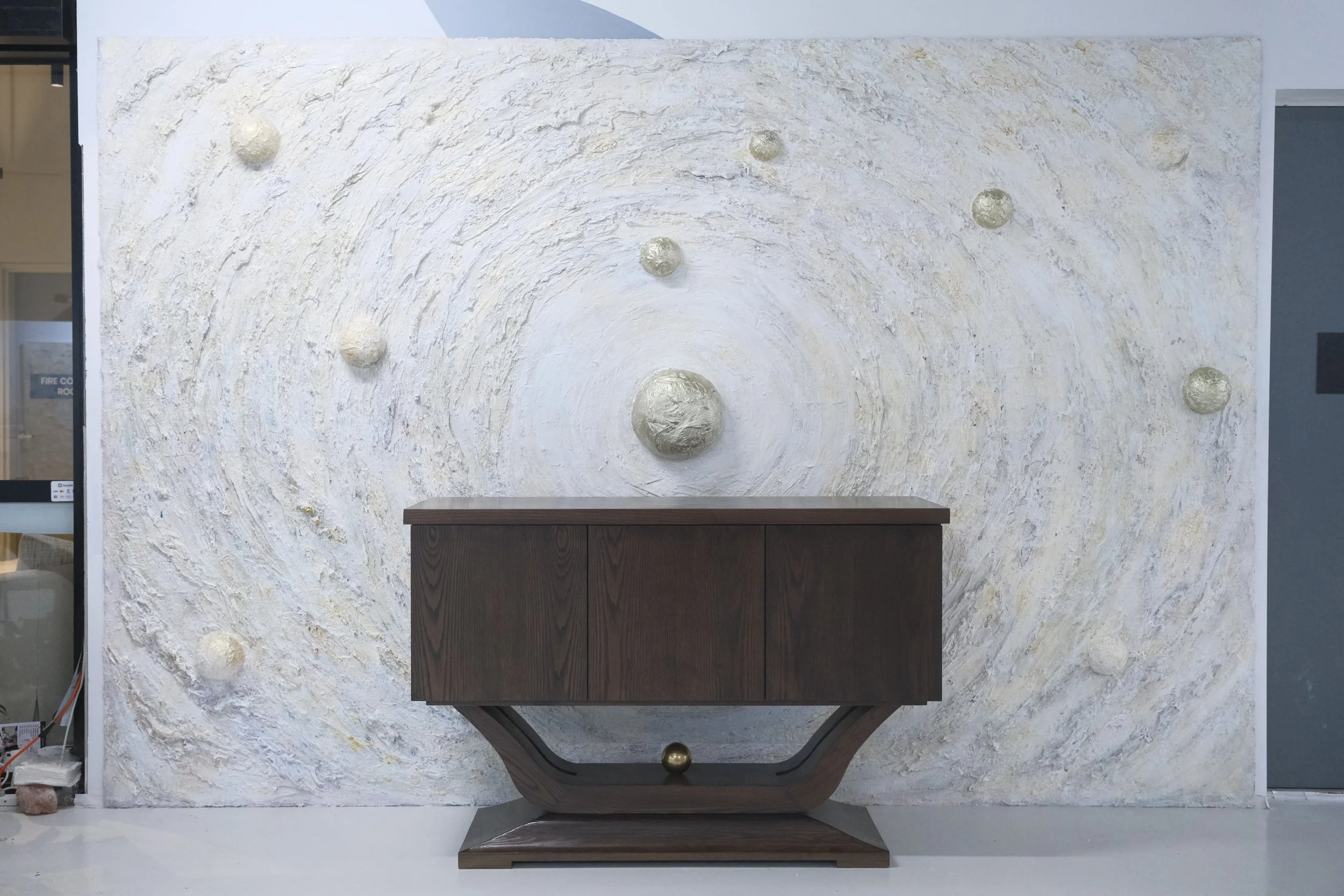
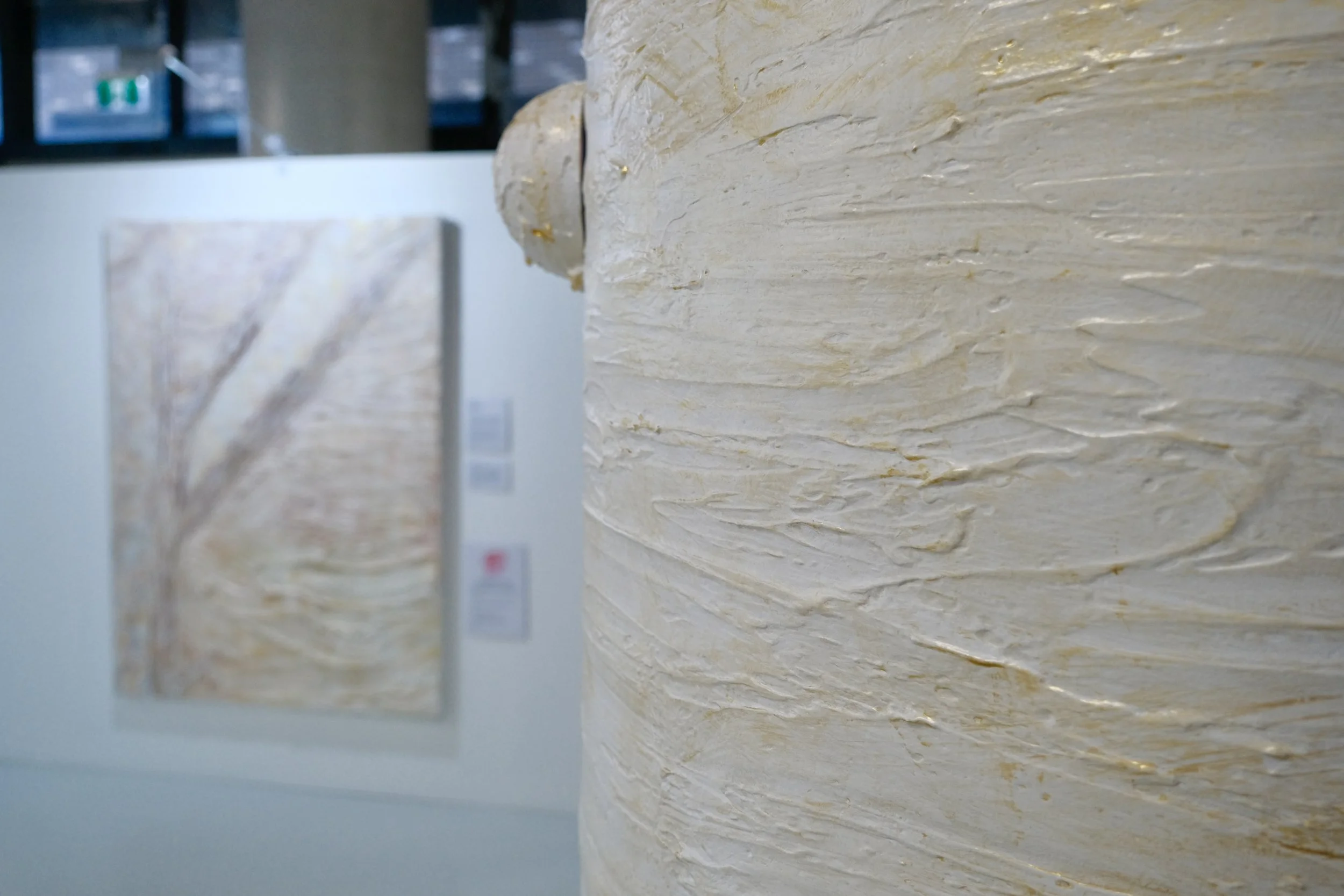
The dynamics within each painting, together with the other echoing elements throughout the space, remind us that all things in the universe are constantly changing. Things may gather again in circular movement, much like the fluid textures presented through the impact wall and poles, entering a new cycle after an ending. Or, as revealed in some of the works, they may flow elsewhere, moving into an unknown area. Perhaps nothing stays forever: river, time, space, emotion, you, me…
When stepping back and looking at the relationship between people and space, I start to wonder: might our engagement create transformation? As we step into the gallery and start to talk and interact, does the atmosphere of the space begin to shift? As light changes and our viewing perspectives move, do the works begin to appear differently? When we approach the paintings carrying different emotions and the weight of the day’s experiences, do the works unfold with new meanings for us? Could the gallery space itself also become a canvas, allowing us to move and think through it in different ways and to create new narratives?