
Living Inside the Architecture of Emotion
Art, Place and Community at The Gladstone
Angelina Mirabito, PhD
Architecture of Emotion opened on 22 May at Romulus Folio Gallery.
The Work Holding More Than It Was Ever Asked to Hold
When I first began developing the Architecture of Emotion exhibition on 1 January, I could never have imagined the emotional range the work would eventually be asked to hold both within the paintings themselves and within the reality surrounding the exhibition and what it would come to represent over time.
What began as an exploration of the first aett of the Elder Futhark and the emotional structures embedded within human experience gradually expanded into the fabric of what would become our final months at 55 Gladstone Street, South Melbourne. Over time, the works absorbed transition, reflection, uncertainty, confusion, growth, hope, renewal, and deep attachment to place and community.
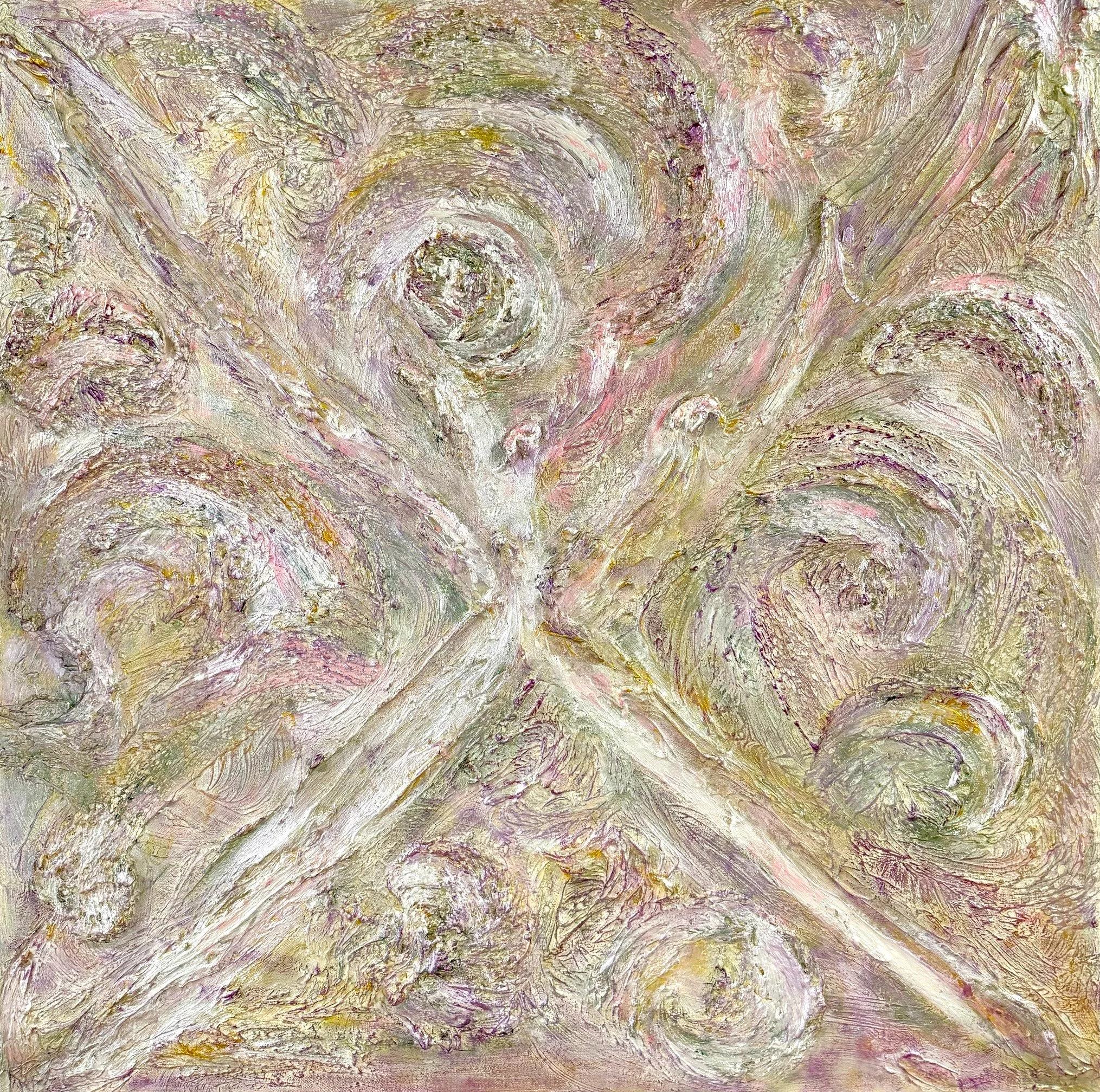
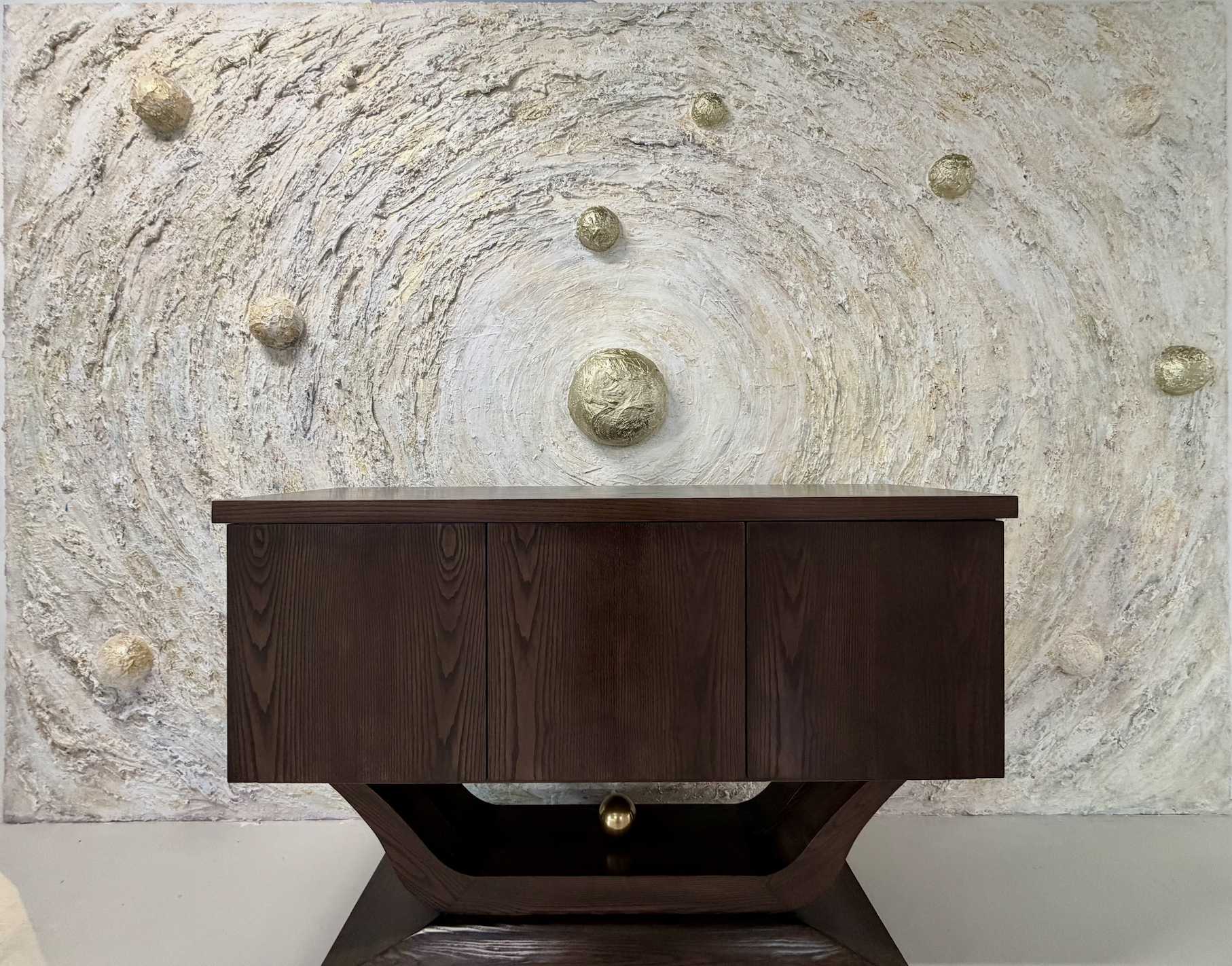
Exchange (Gebo Rune), 1.2m x 1.2m x 5cm, On aluminium frames Belgian linen, Mixed Media, 2026. Photographed by Scott Ross.
Architecture as Emotional Experience
Throughout our time at The Gladstone, the relationship between art, architecture, interiors, and lived experience remained in constant dialogue.
The building itself carries a strong emotional and spatial presence. The architectural vision of SC Studio, together with the interiors by Hecker Guthrie, created an environment where materiality, light, texture, proportion, and atmosphere feel deeply considered and deeply human.
As an artist, I learned from these spaces constantly.
They shaped how the exhibitions were experienced and how I came to think about painting, spatial experience, and the relationship between art and everyday life.
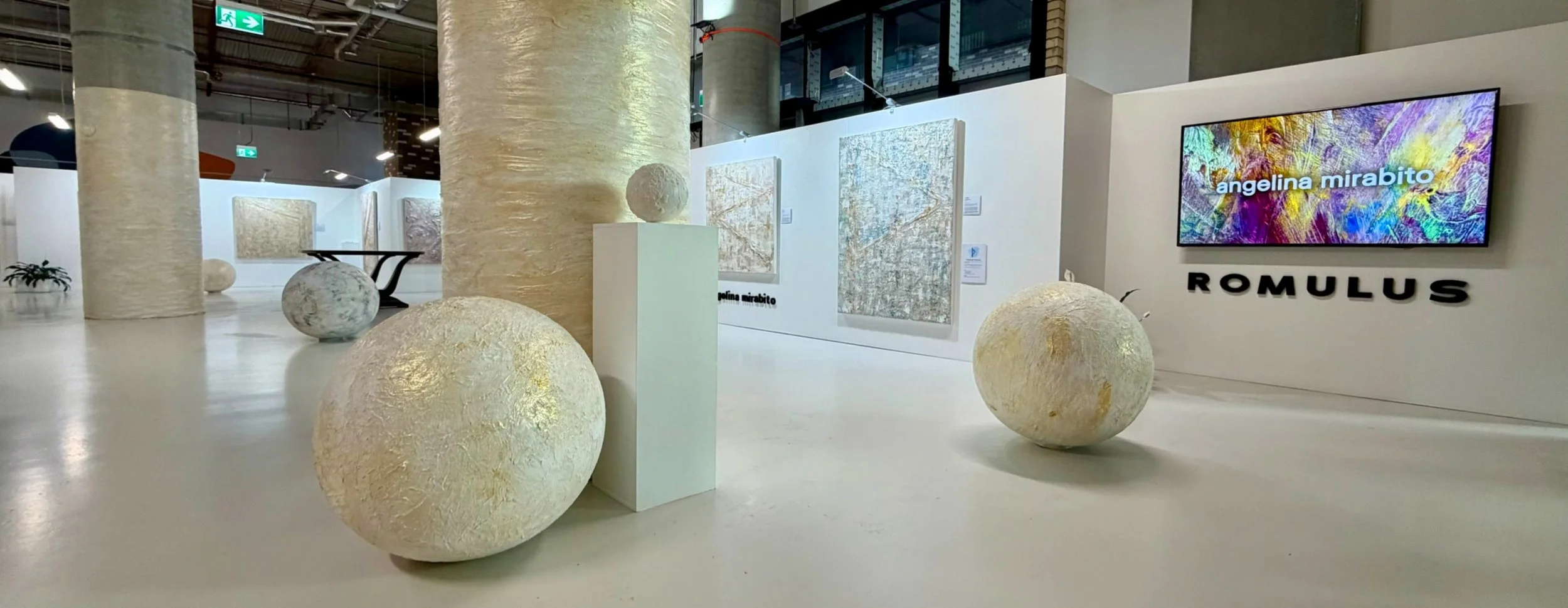
The gallery became a place where painting could exist in direct conversation with architecture, where surfaces responded to changing light throughout the day, and where art was experienced as part of the environment itself and daily life.
That dialogue continues to shape my practice.
The paintings became surfaces capable of holding layers of feeling, memory, and transformation while everything around them continued to shift. Presented in May as our last exhibition at 55 Gladstone Street, South Melbourne, Architecture of Emotion has carried enormous emotional significance for the Romulus Team and community. The instinctive desire to hold on has been felt collectively. So has the search for a new local location.
Across fourteen months, Romulus was shaped through sustained artistic practice, curational vision, repeated presence, labour, care and the gradual building of relationships over time. What grew here emerged slowly through the ongoing work of making, holding space, and returning again and again. It became part of the rhythm within the space itself.
Like this series of eight artworks hangs together, we have experienced this time of change together.
A Living Cultural Environment
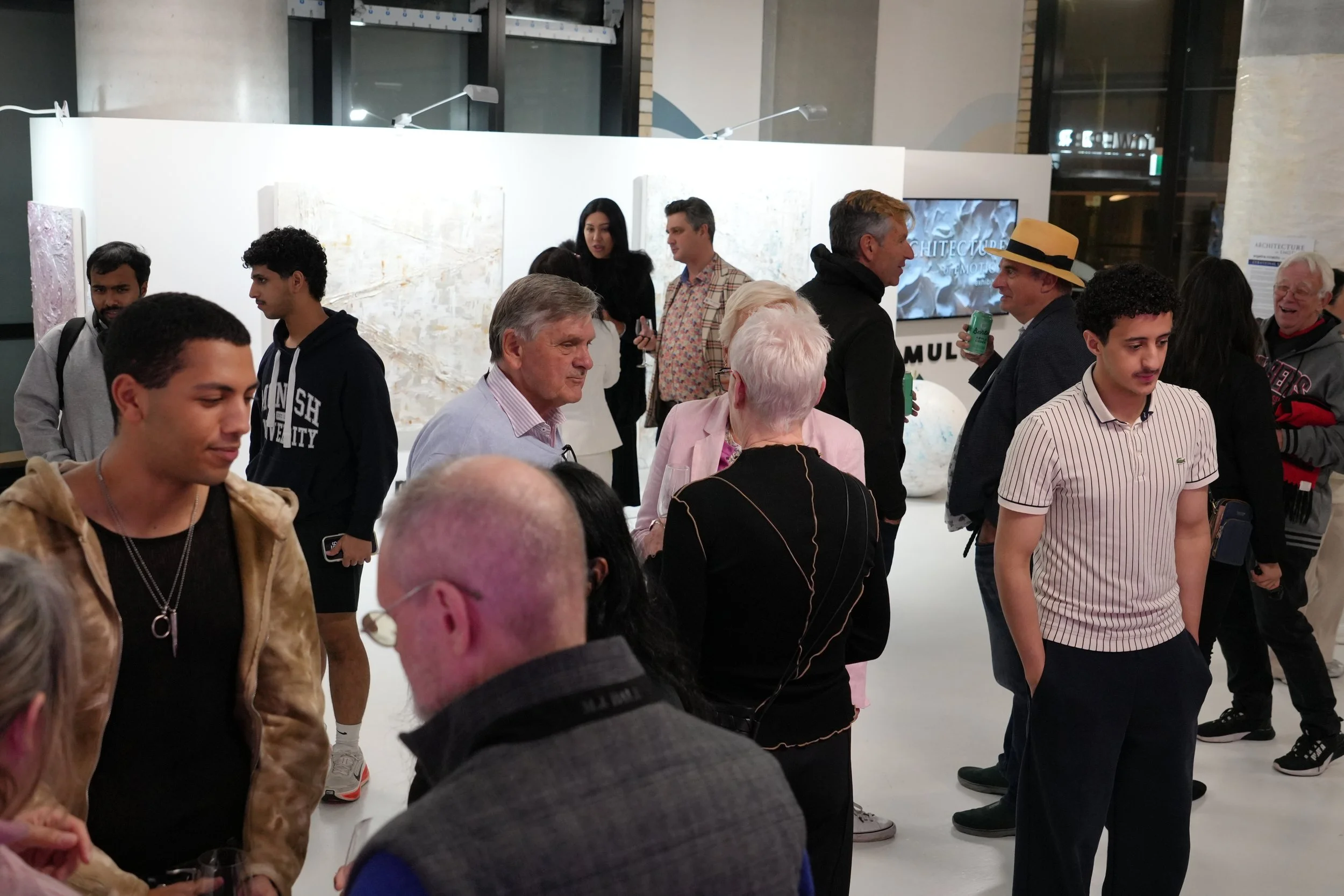
Across the past fourteen months, Romulus Folio Gallery conceived, curated and delivered a sustained program of exhibitions, workshops, conversations, open studio practice and public events that became deeply woven into the daily rhythm of life within The Gladstone and the broader Fishermans Bend precinct.
Residents encountered artworks on their way to work in the morning and again when returning home in the evening. They watched paintings evolve over weeks and months. They passed installations being built. Conversations unfolded beside artworks while waiting for the lift. Through that proximity, art became embedded within ordinary human experience.
It became part of the atmosphere and rhythm of the site itself. What emerged over time was a shared cultural space held through repeated presence, creative exchange, and the gradual building of relationships.
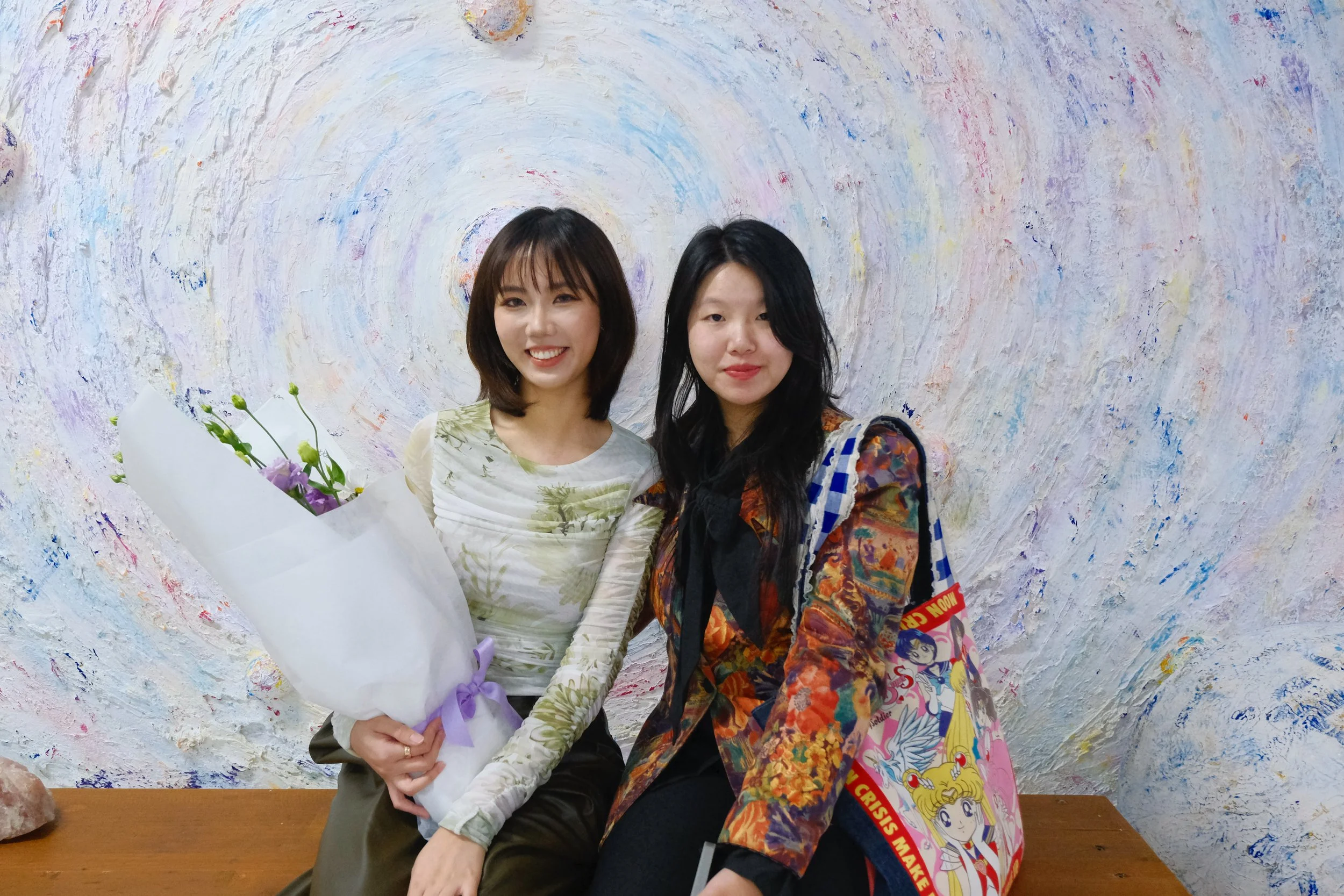
Xinzhi (Dorris) Li
Community Through Repeated Presence
Looking back now, what feels most extraordinary is how naturally community emerged over time. It happened gradually through repeated presence, familiarity, conversation, and return. Across the past fourteen months, artists, residents, visitors, creatives, families, and neighbours became part of one another’s everyday lives. Relationships formed slowly through shared space, repeated encounter, and the ongoing rhythm of the gallery.
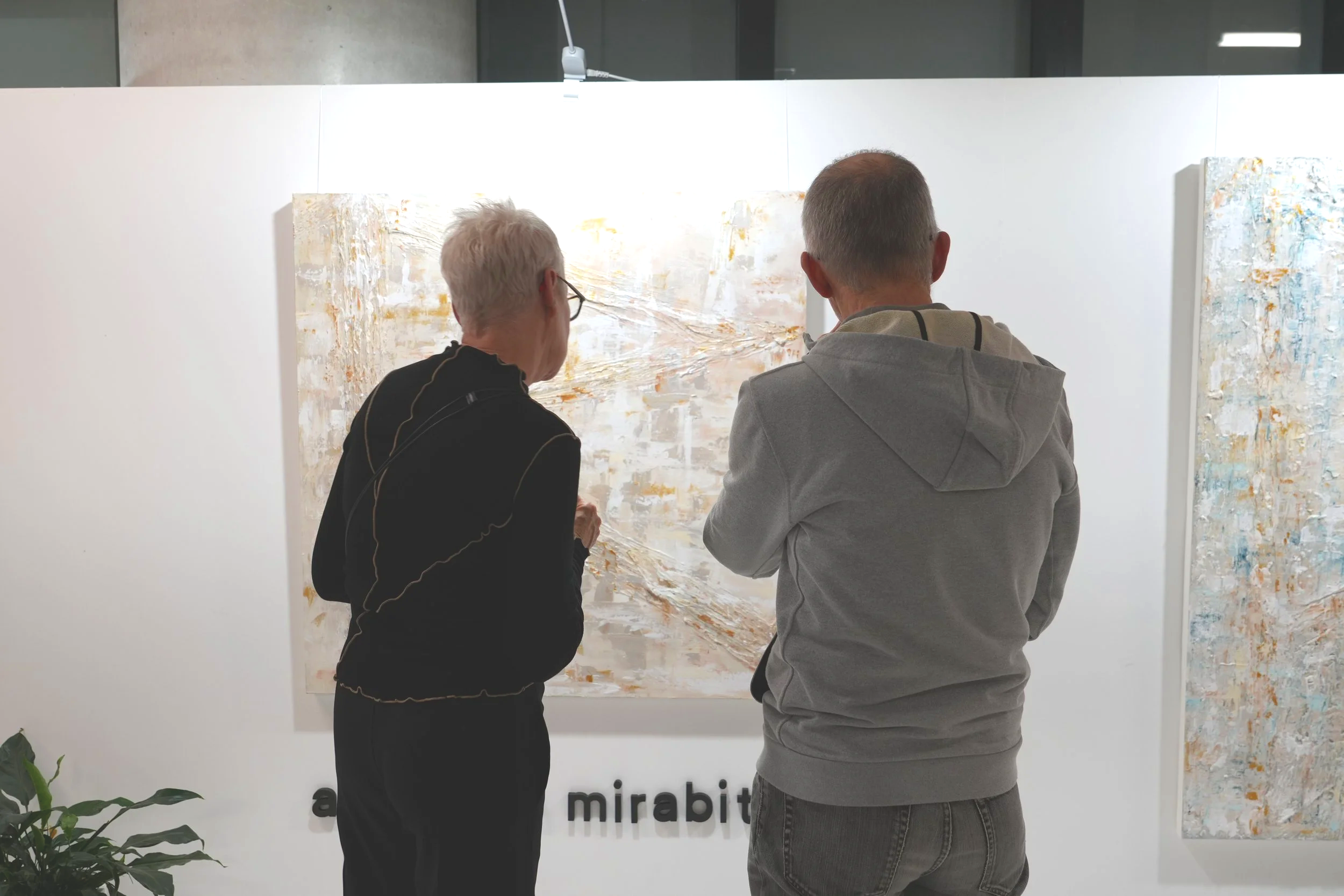
Something about the consistency of seeing one another each day created familiarity.
Familiarity became dialogue.
Dialogue became trust.
Trust became community.
There is something deeply meaningful in how it happened alongside the creative process of making, engaging with and the ongoing presence of art.
What grew within the space was shaped collectively by everyone who entered it, spent time within it, returned to it, and contributed to its atmosphere over time.
Closing
To every artist, workshop participant, collector, community member, and friend who became part of this chapter of Romulus, thank you. A special thank you to The Gladstone Residents and Staff, our University of Melbourne Masters of Arts and Culture Management intern Louisa Chu, Mayor Alex Makin, the Fishermans Bend Business Forum and my family. Your presence and support throughout this time is deeply appreciated. The overwhelming care shown in moving through this transition has meant more than words can hold.
While this chapter at The Gladstone sadly draws to a close through deinstallation throughout June, the ideas, relationships, and vision that grew here, like the art itself, continue forward.
What was built here will extend beyond the physical site itself.
It remains in memory.
It remains in community.
It remains in the works created.
It was an honour for Romulus Folio Gallery to be shortlisted in the Small Scale category of the 2026 City of Port Phillip Design and Development Awards during Melbourne Design Week NGV. We warmly congratulate Studio SC on The Gladstone being awarded Residential: Three or More Dwellings, and acknowledge the remarkable architectural setting that shaped so much of our experience of making and exhibiting within the space. Thank you to Greystar for the time we have shared at The Gladstone.
And it remains in the shared understanding of what becomes possible when art, architecture, and everyday life are allowed to meet.
We look forward to a future of shared vision around what is possible across art, architecture, design, and community, and working together with those committed to creating sustainable cultural anchors that recognise the power of art to transform how we experience daily life.
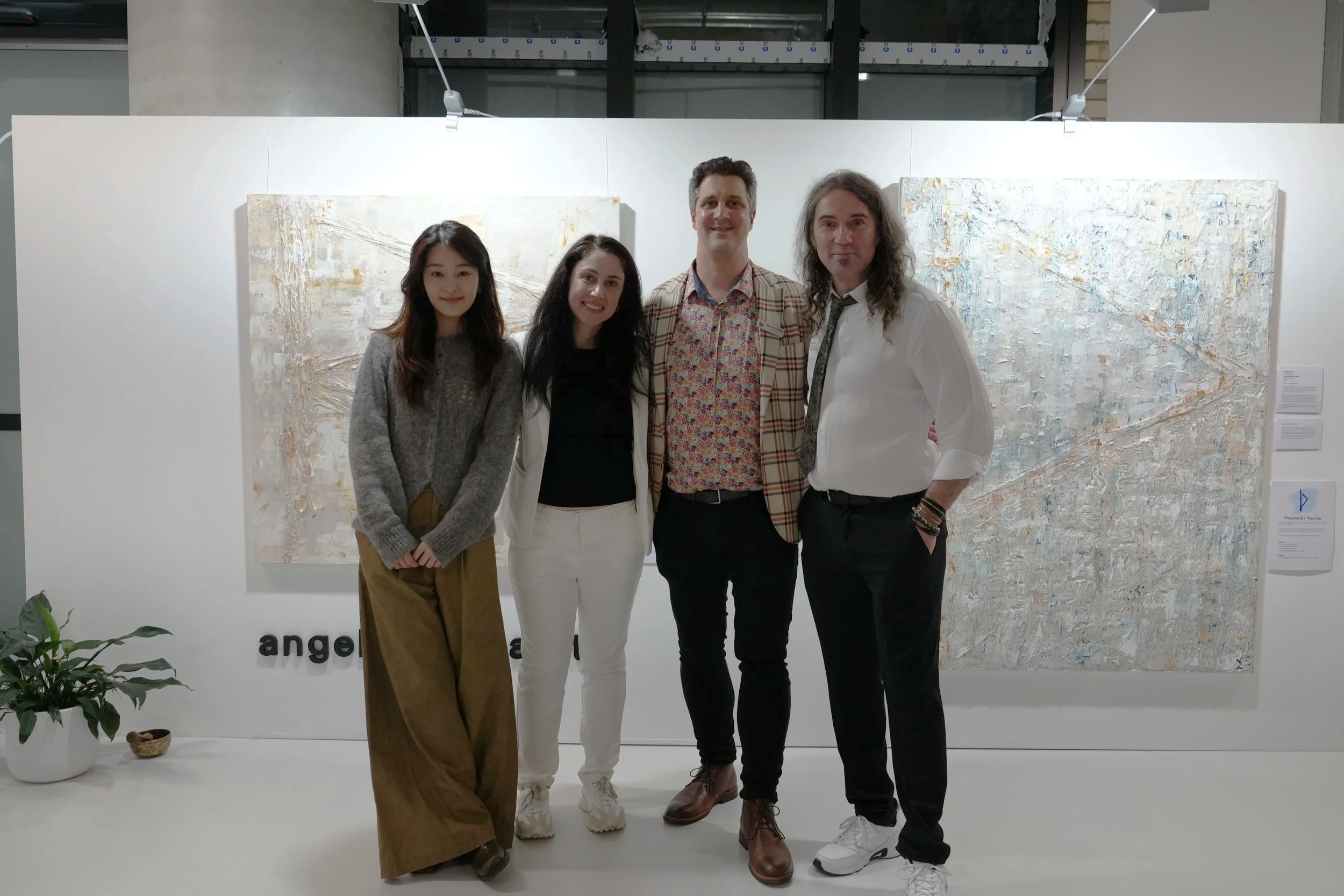
Louisa Chu, Angelina Mirabito, Mayor Alex Makin, Scott Ross.
Written by Angelina Mirabito, PhD
May 31, 2026